


Our $60,000 Mistake: The Cummins Are Coming Out

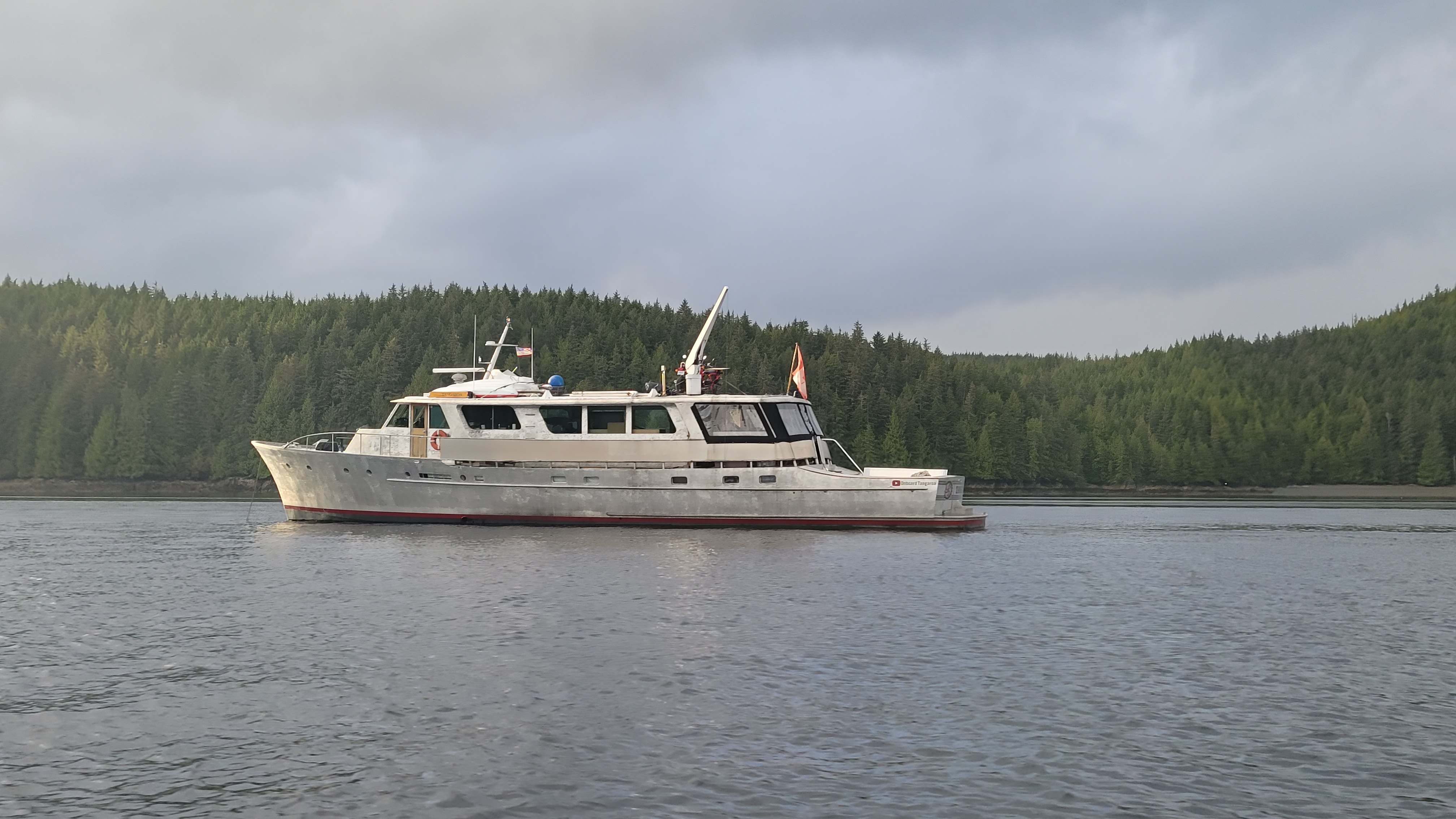
Why We’re Pulling the Engines We Just Installed
We spent roughly $60,000 and four months installing Cummins engines into Tangaroa, and now we’ve made the decision to remove them. In the next two weeks. This wasn’t a snap call or a failure of the engines themselves. It was a hard decision based on how we actually use the boat and what we want long term.
Tangaroa’s Original Detroit Diesels
When we bought Tangaroa, she still had her original Detroit Diesel 12V71 engines. Against all odds, they ran. After sitting for years, they fired up and carried us from Wrangell, Alaska to Victoria, BC. Once we were home and able to inspect them properly, it became clear they needed significant maintenance and constant attention. Oil leaks were everywhere, and the engine room bilge was permanently messy and unpleasant to work in.
Why Modernizing the Detroits Didn’t Make Sense
I explored ways to modernize the Detroits, including improved efficiency and reduced oil leaks, but the technology simply isn’t there without major custom work. These engines date back to WWII-era designs. One engine clearly needed a rebuild, and once the numbers were on paper, it didn’t make sense to invest heavily in technology that still wouldn’t meet our long-term cruising goals.
Choosing the Cummins 6.7 Repower
We decided to repower Tangaroa with Cummins 6.7 engines, using Dodge versions because they were readily available. These weren’t drop-in truck engines. We stripped them down, replaced marine-specific components, and rebuilt them for marine use. By the time they were installed, the project totaled around $60,000 to $65,000, not including countless hours of shop work before we ever reached the yard.

Real-World Performance on the Water
The Cummins engines performed exceptionally well. We logged roughly 4,000 nautical miles with them. After resolving early ECU configuration issues and a few minor leaks, they proved reliable, quiet, and easy to maintain. Noise levels dropped by about half compared to the Detroits, dramatically improving comfort in the pilothouse. Fuel consumption also dropped significantly. At our normal cruising speed of nine knots and 1,500 RPM, we burn about 4.5 gallons per hour combined—roughly half of what the Detroits used.
Fuel Burn Testing and Results
We tested fuel consumption across multiple RPM ranges. At cruise, the savings were dramatic. At higher speeds, the gap narrowed, as the Detroits perform better at higher RPM, but the Cummins still burned several gallons per hour less overall. For the type of long-distance cruising we do, that difference matters.
Why the Cummins Still Have to Come Out
Despite how well the engines performed, I made an assumption that ended up costing us $60,000. A friend encouraged me to look at another project that better aligned with how we actually use Tangaroa. I dismissed it, assuming it wouldn’t hold up in the real world. That assumption delayed us from seeing a solution that now makes far more sense for our long-term plans.
No Going Back This Time
Once the Cummins come out, there’s no reversing this decision. That’s why we’re being deliberate and transparent. This time, we’re documenting everything in real time. We’ll be releasing three videos a week and hosting a live stream every Monday so you can follow along, comment, and offer feedback as the project unfolds.
What’s Next for Tangaroa
Some people will think we’re crazy, and that’s fair. Others think we should just keep going on the Great Siberian Sushi Run, and that’s a valid argument too. But next week, we’ll explain exactly why the Cummins are coming out, what’s replacing them, and how this new direction better fits Tangaroa’s future. This wasn’t a failure. It was a lesson—and one that’s pushing us toward a better long-term solution.
